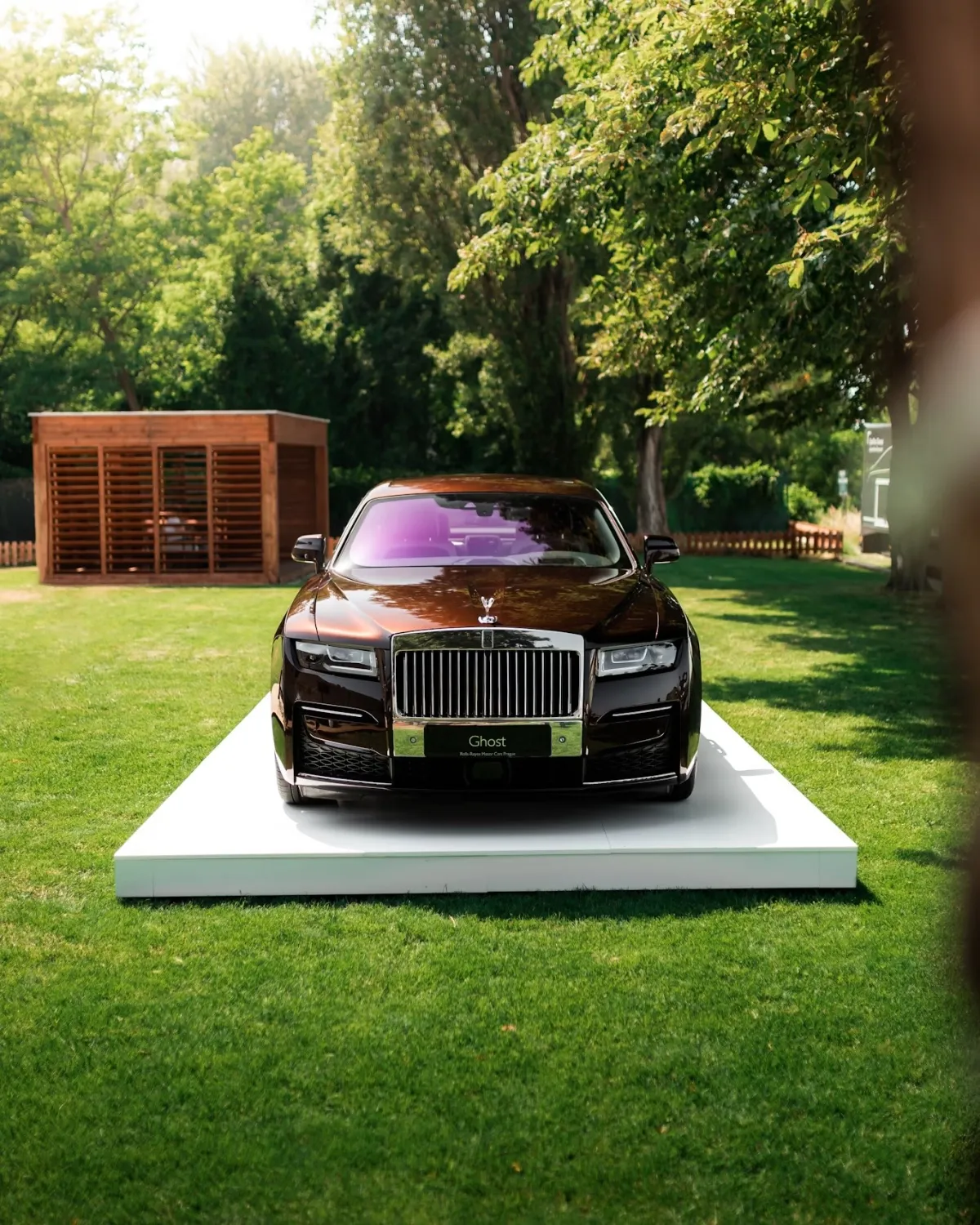
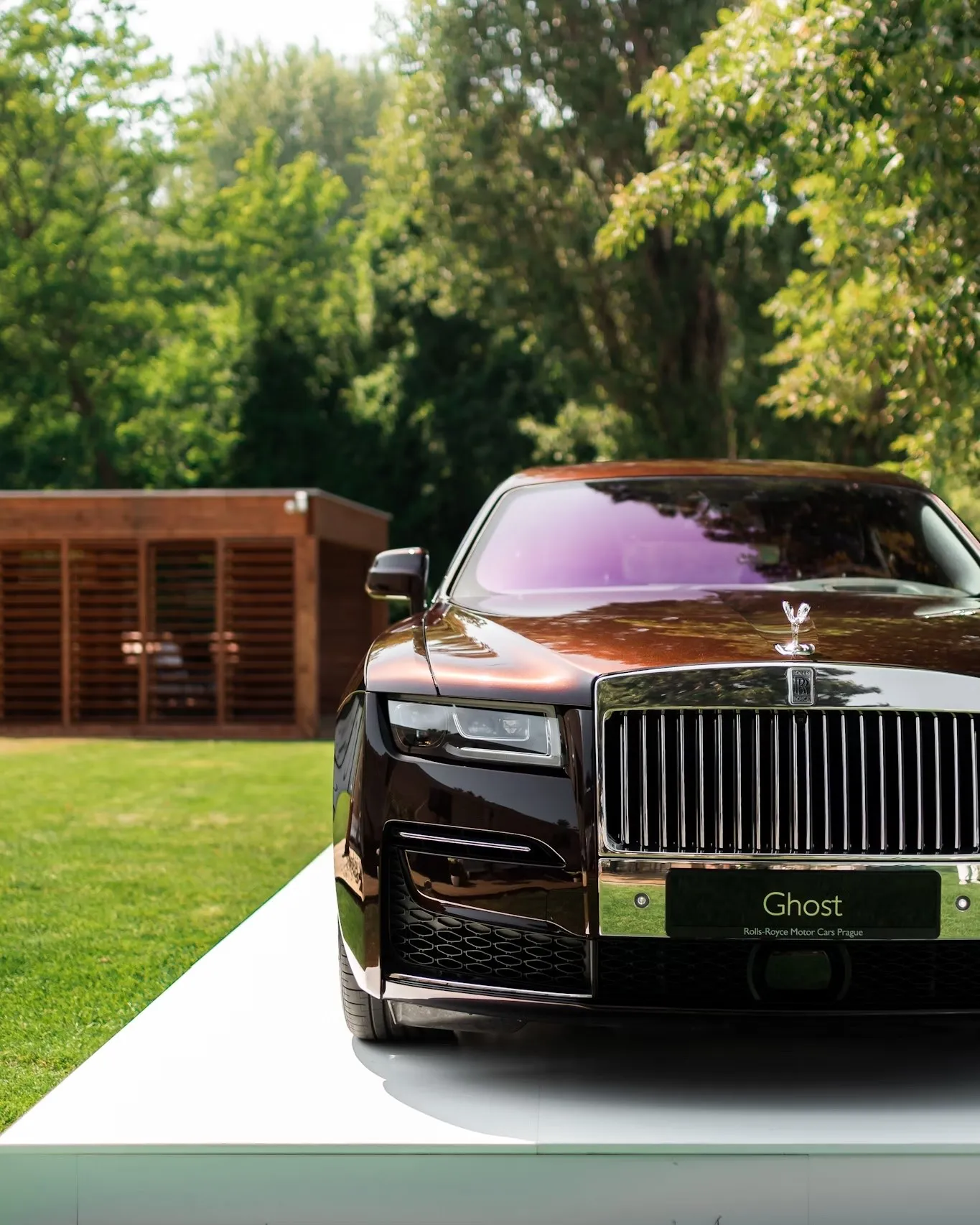
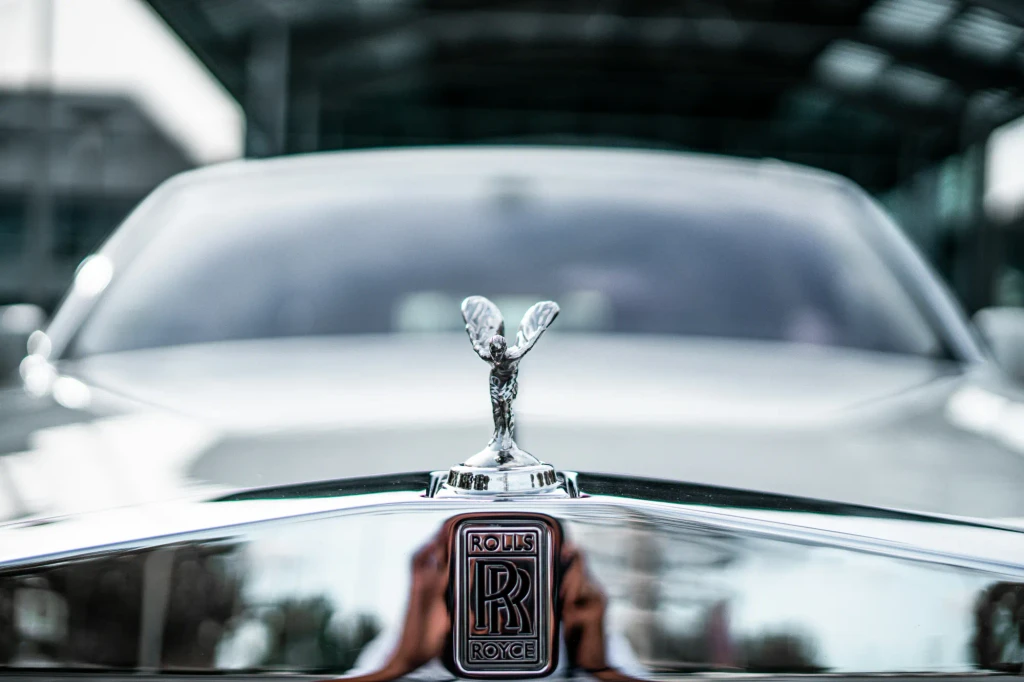
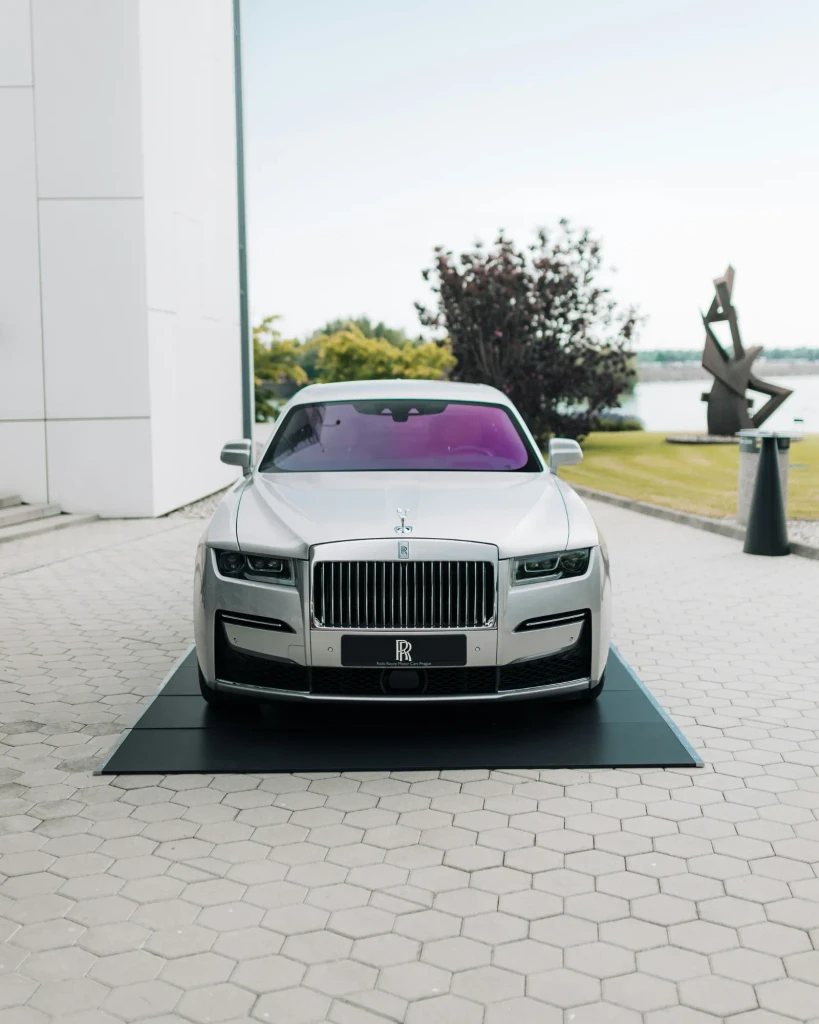
Rolls’ proprietary alumunium spaceframe underpins the Ghost, fully distancing the new car from the Munich mothership. It’s 30mm wider than the old car, a small but not insignificant amount that promotes a better stance; at 5546mm long and 2148mm wide it occupies a lot of road space (and weighs 2,490kg). Twenty LEDs hidden within the top of the grille offer subtle illumination, all the more so because the vanes have been sandblasted to reduce the ‘hall of mirrors’ effect (anti-bling, remember).
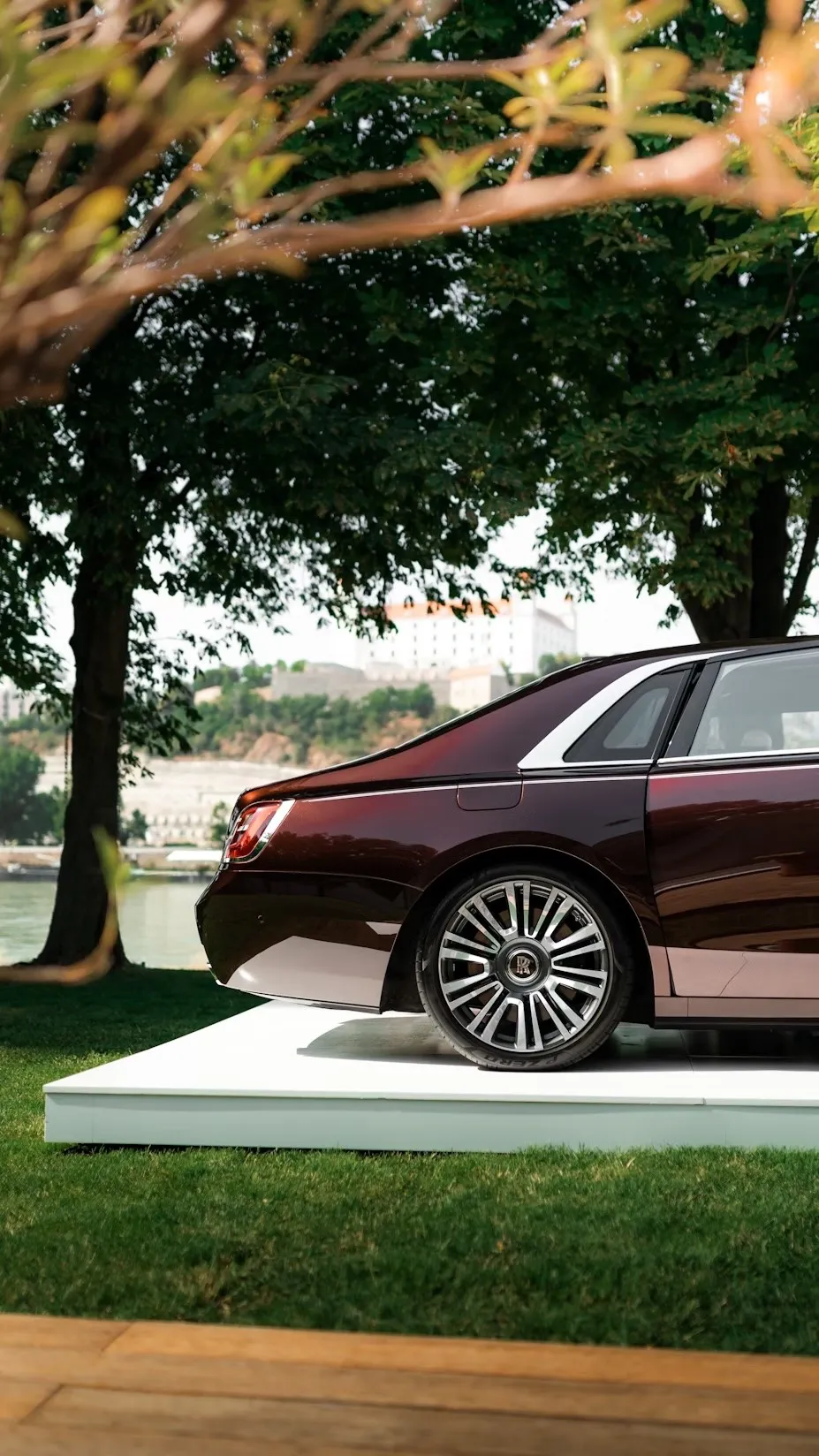
Nautical allusions abound: the car’s proud snout is delineated by a bow line, the sills are helped by a ‘waft line’ which coerces reflections into doing the right thing, and the rear tapers in markedly leaving a surprising amount of rear tyre visible. (There’s also a hint of Rover 75 going on there, but that was an elegant looking car, if somewhat cheaper to buy these days than the Ghost.) The car’s hand-welded aluminium structure means that its body has a seamless flow to it, interrupted only by its windows. Well, as reductionist as this car is we can hardly do without those.
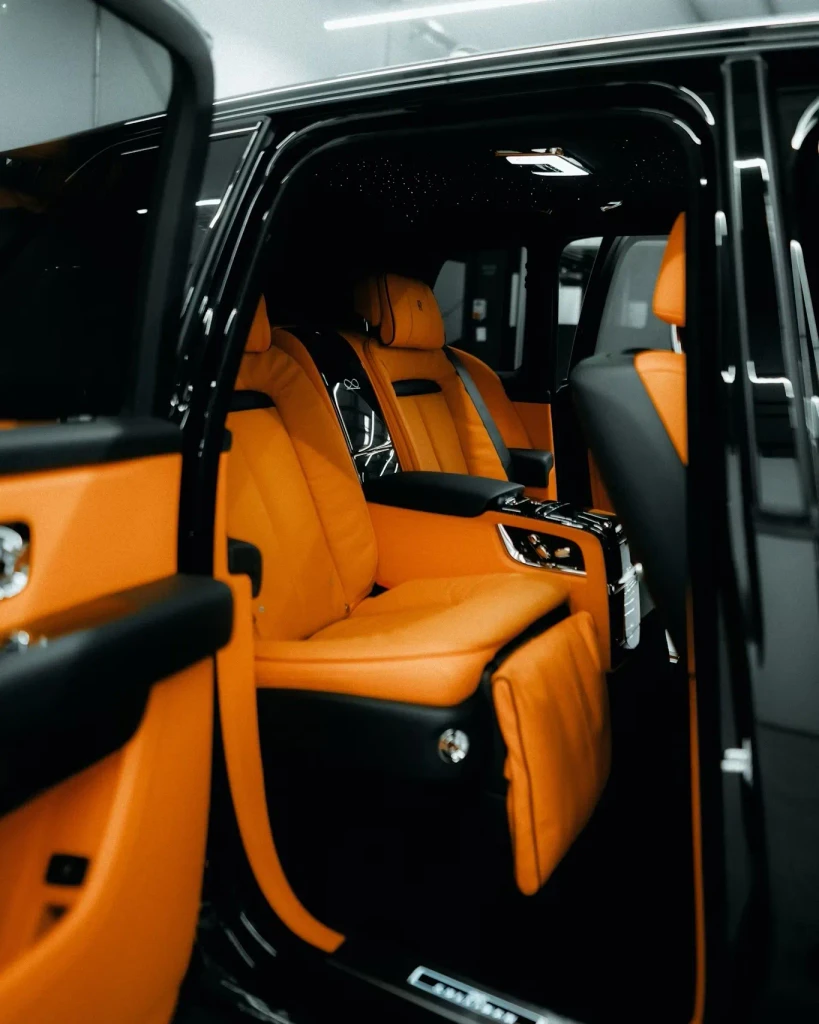
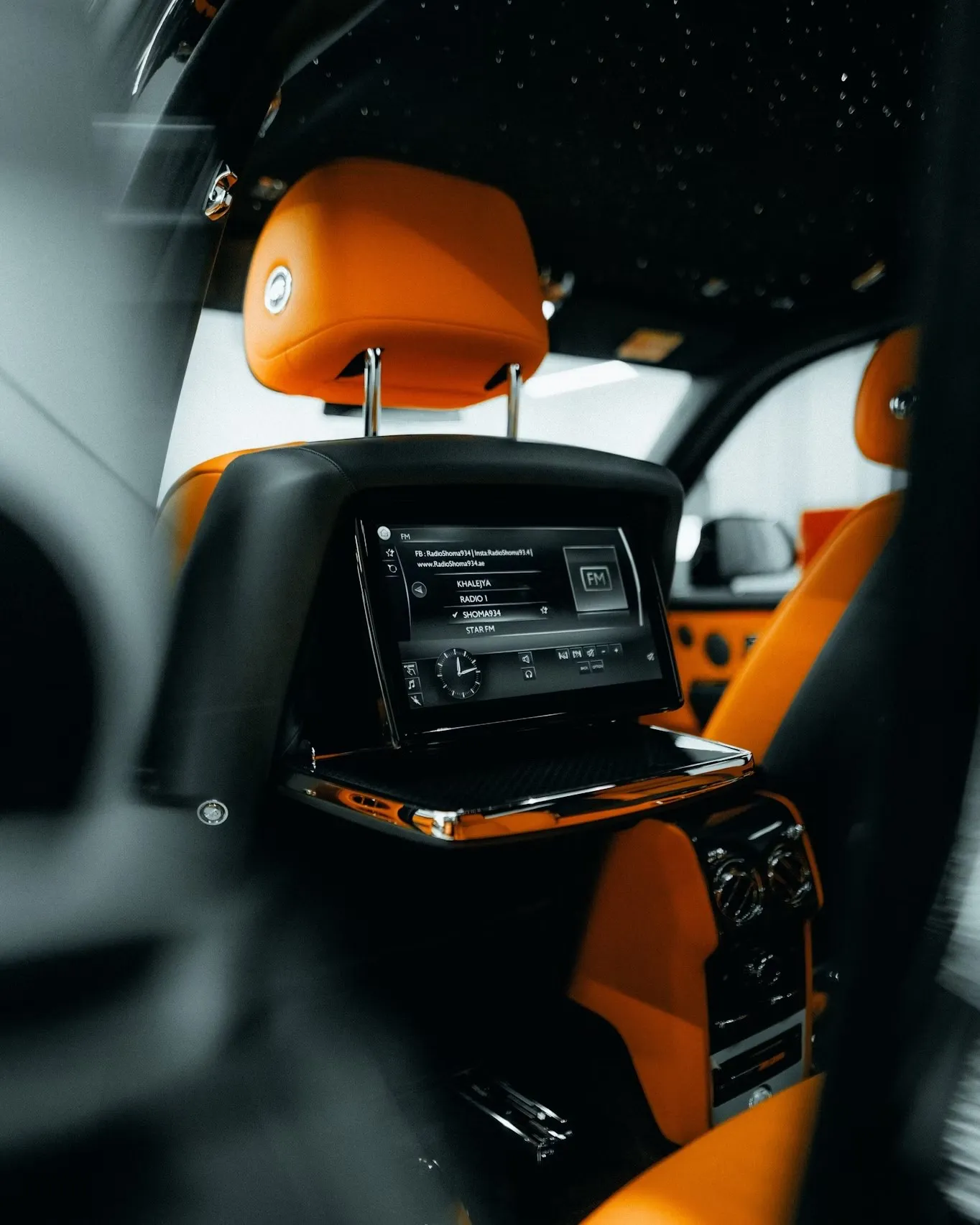
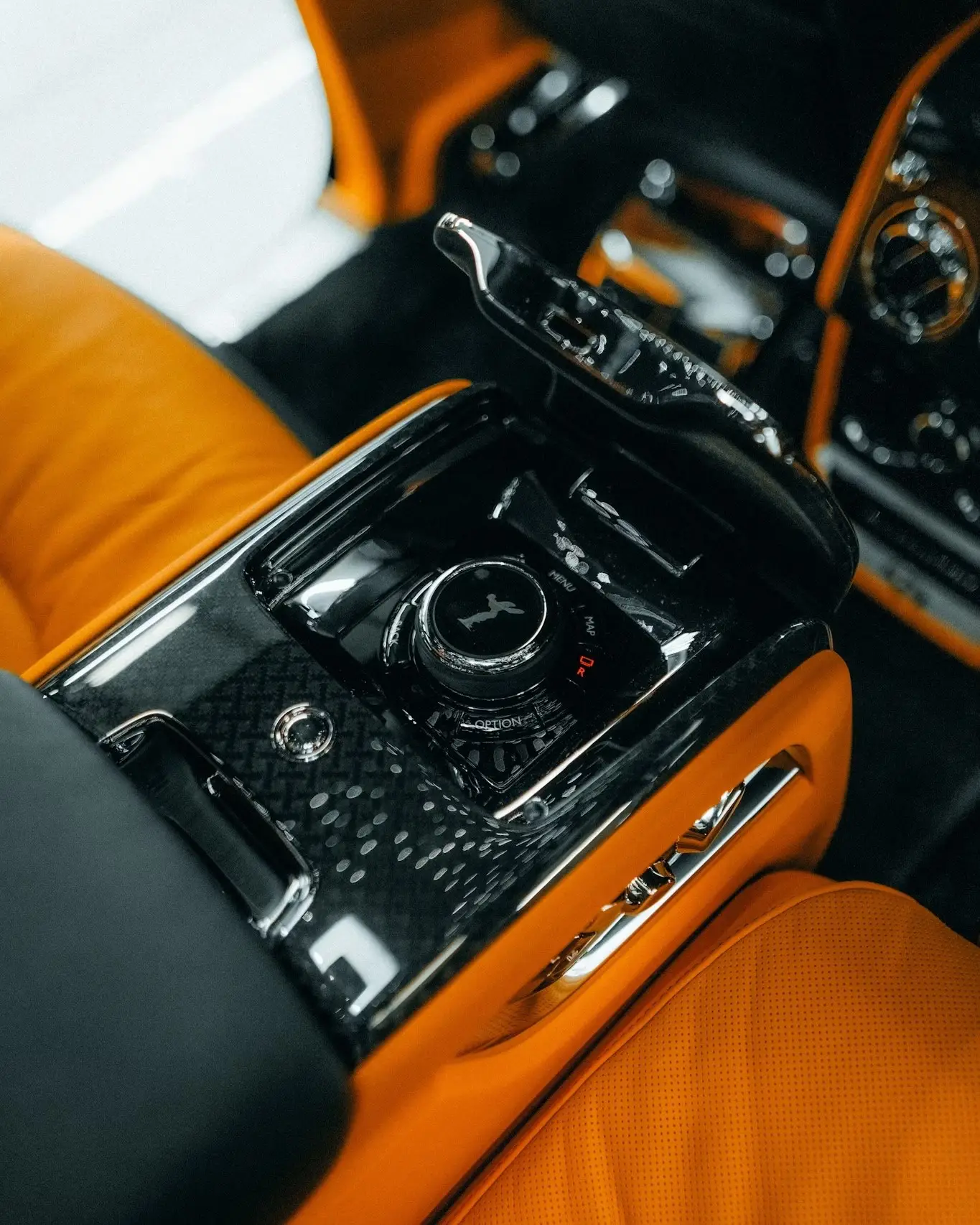
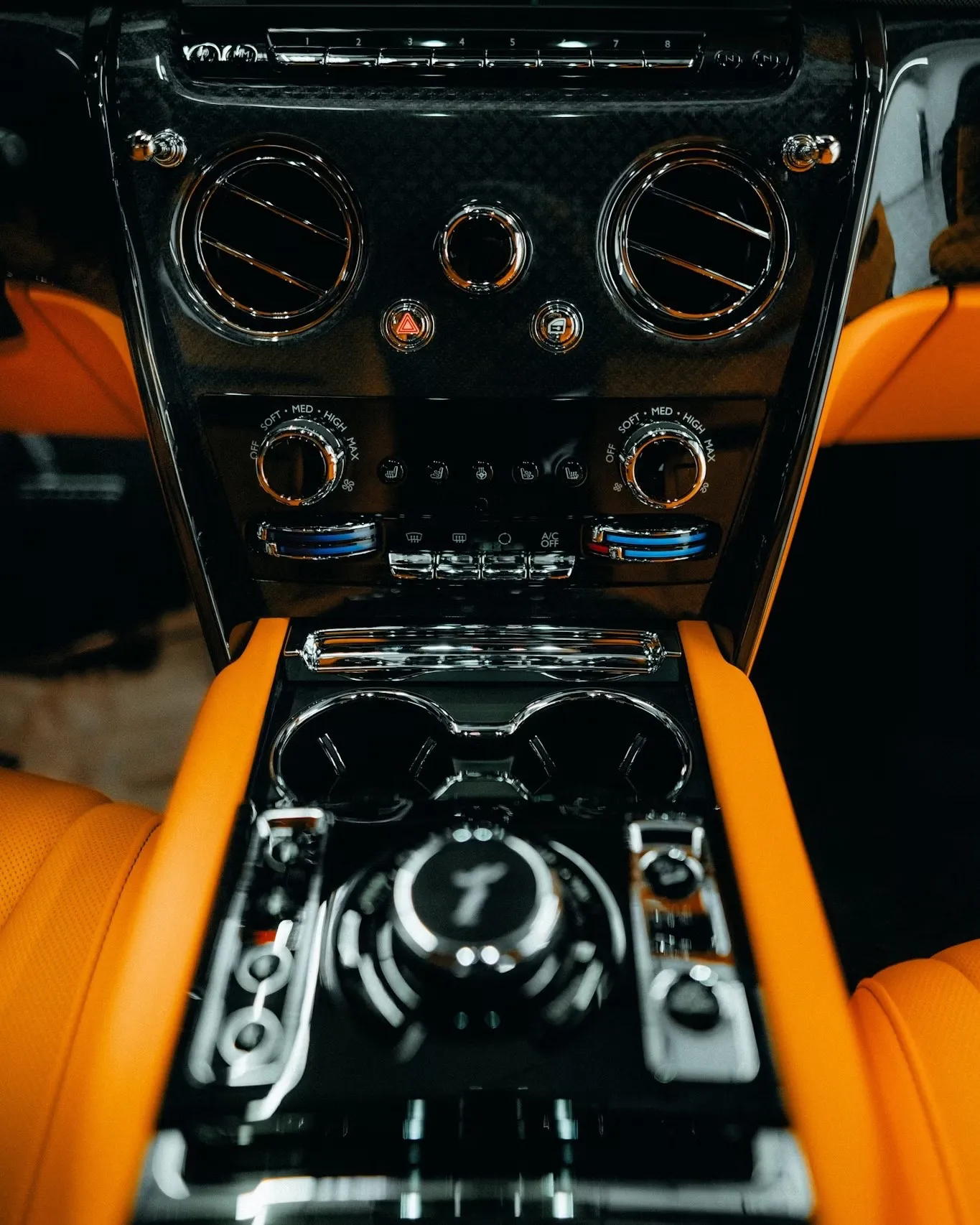
New for 2022 is a Black Badge version (images 1-6 above). Wraith and last-gen Ghost were the first models to get Black Badge variants in 2016, followed by Dawn in 2017 and Cullinan in 2019 and Black Badge now accounts for more than 27 per cent of all Rolls Royce sales. It’s all about appealing to a new type of customer, a younger multi-millionaire, or as Rolls describes them: “In the 2020s, these women and men engage with luxury products on their own terms. They reject suits for streetwear, use blockchain not banks and influence the analogue world through their digital endeavours. In doing so, they have created new codes of luxury that resonate with their sensibilities: darker in aesthetic, assertive in character and bold in design.” Rolls Royce press releases really are the gifts that keep giving, aren’t they?